Legal
The legal side of marrying in Ibiza
Symbolic, civil and religious ceremonies explained
What is actually required to marry legally in Spain, why most international couples marry at home first, and how a symbolic ceremony works.
Words by Editorial Team · 23 July 2026 · 5 min read
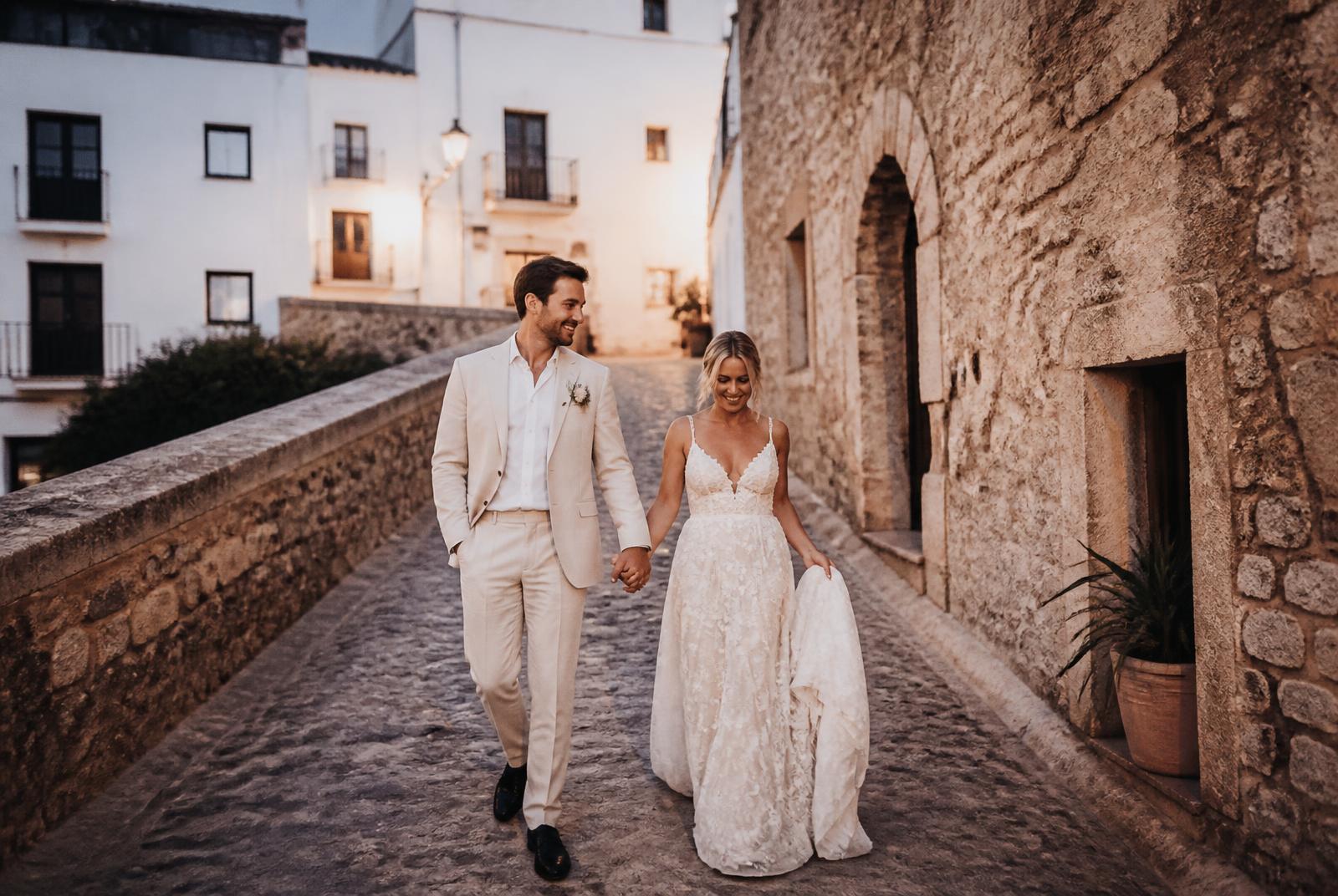
Three ways to marry
Symbolic. You marry legally at home, usually in a short registry appointment, and hold the real ceremony in Ibiza with a celebrant of your choosing. This is what the majority of international couples do.
Civil in Spain. Legally binding, conducted by a Spanish authority. It requires residency of one party in the municipality and a paperwork process that typically takes six to twelve months.
Religious. Catholic ceremonies are possible in the island's churches with documentation from your home parish, and are recognised legally in Spain.
Why symbolic is not a lesser option
A symbolic ceremony can happen at sunset, on a cliff, in a garden, in your own words, with whoever you want conducting it. A civil ceremony in Spain happens where and when the authority says. For a destination wedding, that difference matters more than the paperwork.
Nothing about a symbolic ceremony changes the legal status of your marriage. You are married from the moment of the legal ceremony at home; the Ibiza ceremony is the one your guests will remember.
If you do want to marry legally in Spain
Expect to provide birth certificates, certificates of no impediment, passports, proof of address and sworn translations of anything not in Spanish. Start at least a year ahead, and use a local legal advisor who works with the Ibiza register office regularly.